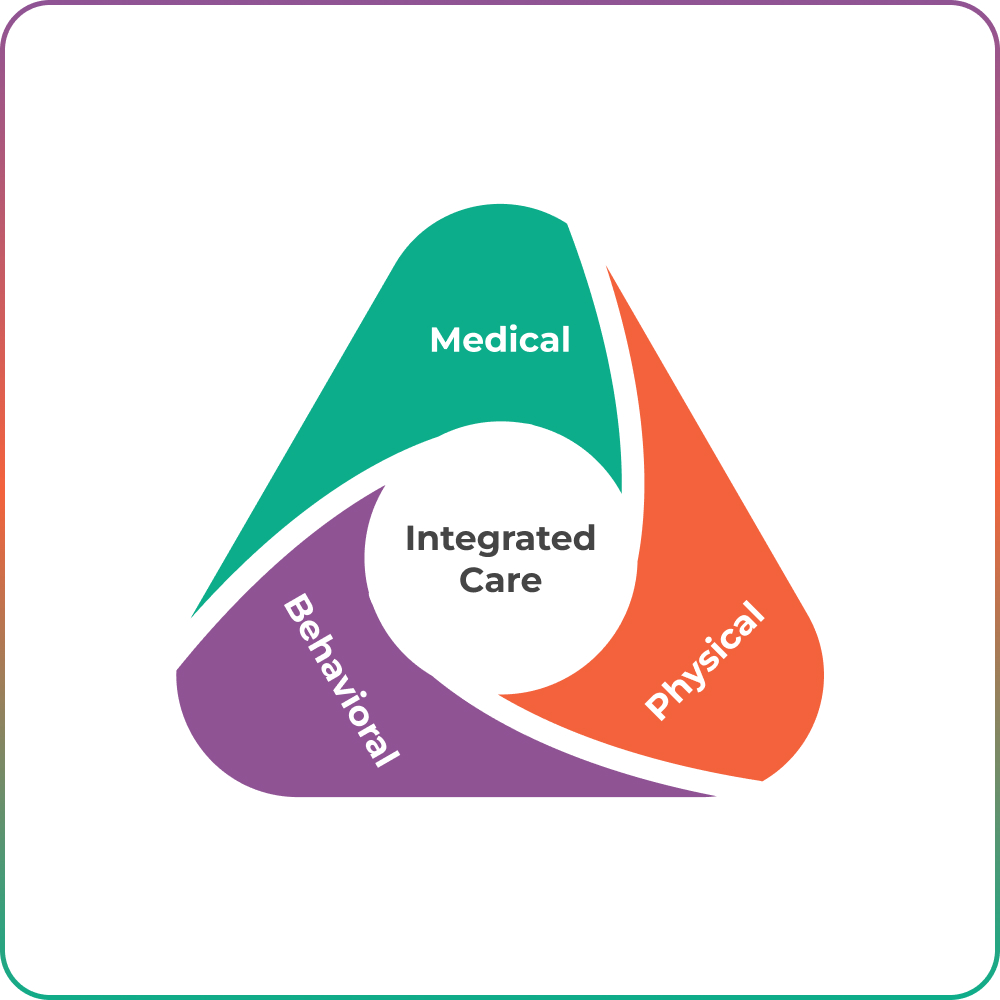
Opioid addiction is a multifaceted crisis, deeply intertwined with mental health challenges. Addressing addiction effectively requires not just understanding the physical aspects of dependency but also the psychological components that fuel it. At Direct2Recovery, we recognize the critical role mental health plays in opioid addiction and are committed to offering solutions like Suboxone that can help break the cycle and promote lasting recovery.
The Connection Between Mental Health and Opioid Addiction
Opioid addiction is not just a physical dependency; it’s often accompanied by or exacerbated by underlying mental health issues. Here’s how these two aspects are interrelated:
- Mental Health Disorders as a Precursor to Addiction: Many individuals struggling with opioid addiction have underlying mental health disorders such as depression, anxiety, or bipolar disorder. These conditions can drive individuals to self-medicate with opioids, seeking relief from their emotional pain. Unfortunately, this self-medication can quickly spiral into full-blown addiction.
- The Role of Trauma and Stress: Trauma and chronic stress are significant risk factors for developing addiction. Experiencing traumatic events or ongoing stress can disrupt emotional regulation, leading individuals to turn to opioids as a way to cope. The temporary relief provided by these substances can become a dangerous cycle of dependency.
- The Impact of Mental Health on Recovery: Even when individuals acknowledge their addiction and seek help, untreated mental health conditions can hinder the recovery process. Mental health disorders can exacerbate cravings, increase the risk of relapse, and make it challenging to adhere to treatment plans. Addressing these conditions is crucial for a successful recovery.
How Suboxone Can Help
Suboxone is a medication-assisted treatment (MAT) that combines buprenorphine and naloxone to help individuals recover from opioid addiction. It plays a crucial role in addressing both the physical and psychological aspects of addiction:
- Effective Relief from Withdrawal Symptoms: Buprenorphine, one of the components of Suboxone, helps alleviate withdrawal symptoms and cravings associated with opioid addiction. This relief can make it easier for individuals to focus on addressing the underlying mental health issues that contributed to their addiction in the first place.
- Lower Risk of Abuse: The naloxone in Suboxone helps prevent misuse of the medication. By blocking the euphoric effects of opioids, it reduces the risk of relapse and discourages individuals from using other opioids while on treatment.
- Support for Mental Health Treatment: When combined with counseling and therapy, Suboxone can be particularly effective. The stability provided by the medication allows individuals to engage more fully in mental health treatment, addressing issues such as depression, anxiety, or trauma that may have contributed to their addiction.
- A Pathway to Long-Term Recovery: Suboxone can be a critical component of a comprehensive recovery plan. It provides a stable foundation that supports both physical and mental health recovery, helping individuals build a life free from opioid dependency.