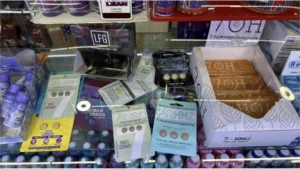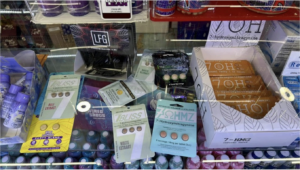
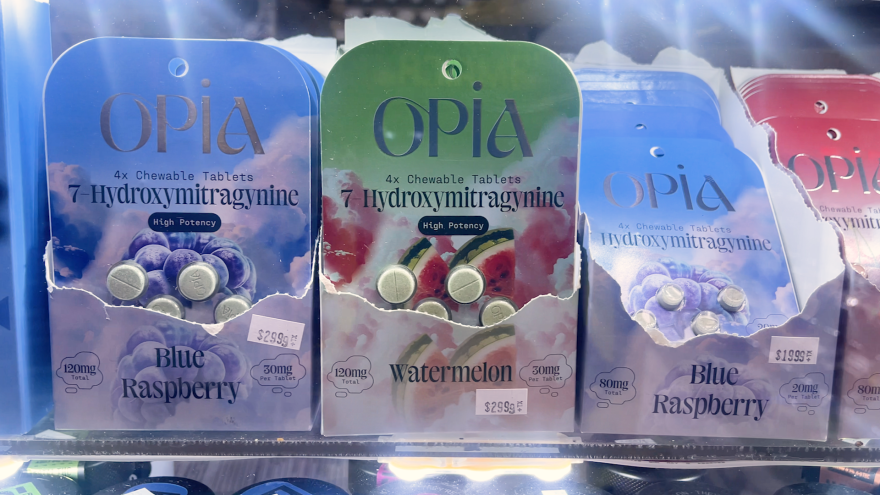
If you’ve been using kratom or 7-hydroxymitragynine (7-OH), you’ve probably noticed a wave of new laws across the United States. The short answer is yes—more states are restricting or banning these products, especially the highly concentrated 7-OH products that have become common in gas stations, smoke shops, and vape stores.
The trend has accelerated dramatically over the past year.
Several states have recently enacted complete bans on kratom, while many others have passed laws that specifically target 7-OH or highly concentrated kratom extracts. At the federal level, the FDA has urged tighter control of concentrated 7-OH products, and the DEA has now announced plans to temporarily place certain high-potency 7-OH products under the strictest federal drug controls because of their opioid-like effects.
Where are bans happening?
Some states have completely prohibited kratom, while others have chosen regulation instead of prohibition. New laws have recently taken effect or are being implemented in states such as Tennessee, Kansas, and Connecticut, while many other states have adopted age restrictions, labeling requirements, or limits on concentrated 7-OH products rather than banning natural kratom outright.
Are these bans actually working?
That is still being debated.
Restricting access may reduce availability through convenience stores and smoke shops. However, history has shown that when one intoxicating substance becomes difficult to obtain, manufacturers often develop new compounds that are not yet specifically addressed by existing laws.
We’ve already seen this pattern with synthetic cannabinoids (“Spice”), synthetic cathinones (“bath salts”), designer fentanyl analogs, nitazenes, and now increasingly potent 7-OH products. As regulators close one loophole, new products frequently appear on the market.
The challenge is that these newer substances are often more potent, less studied, and potentially more dangerous than the products they replace.
The real issue isn’t legality—it’s addiction.
Whether kratom or 7-OH remains legal in your state doesn’t change one important fact:
If you’ve become physically dependent, stopping can cause significant opioid-like withdrawal symptoms, including:
- Severe anxiety
- Restlessness
- Muscle and body aches
- Nausea and vomiting
- Insomnia
- Diarrhea
- Intense cravings
Many people continue using simply to avoid withdrawal—not because they still want to.
Effective treatment is available.
The good news is that kratom and 7-OH addiction is highly treatable.
At Direct2Recovery, we specialize in treating dependence on kratom, 7-OH, and other opioids. For many patients, medications such as Suboxone® (buprenorphine) can quickly relieve withdrawal symptoms and cravings. When appropriate, longer-acting options such as Sublocade® may help patients stabilize and eventually taper more comfortably.
If you’re worried that changing laws could make access more difficult—or if you’re simply tired of depending on kratom or 7-OH—don’t wait until you’re forced into withdrawal.
Treatment can begin online from the privacy of your home.
You don’t have to go through withdrawal alone.
Direct2Recovery Medication-Assisted Treatment Specialists.
Serving patients throughout Arizona via telemedicine and in-person care.
602-601-7429
Direct2Recovery.com
Schedule your consultation today and let’s discuss the best plan for your recovery.