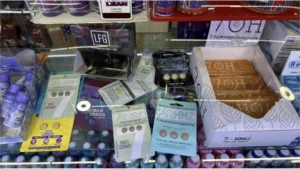
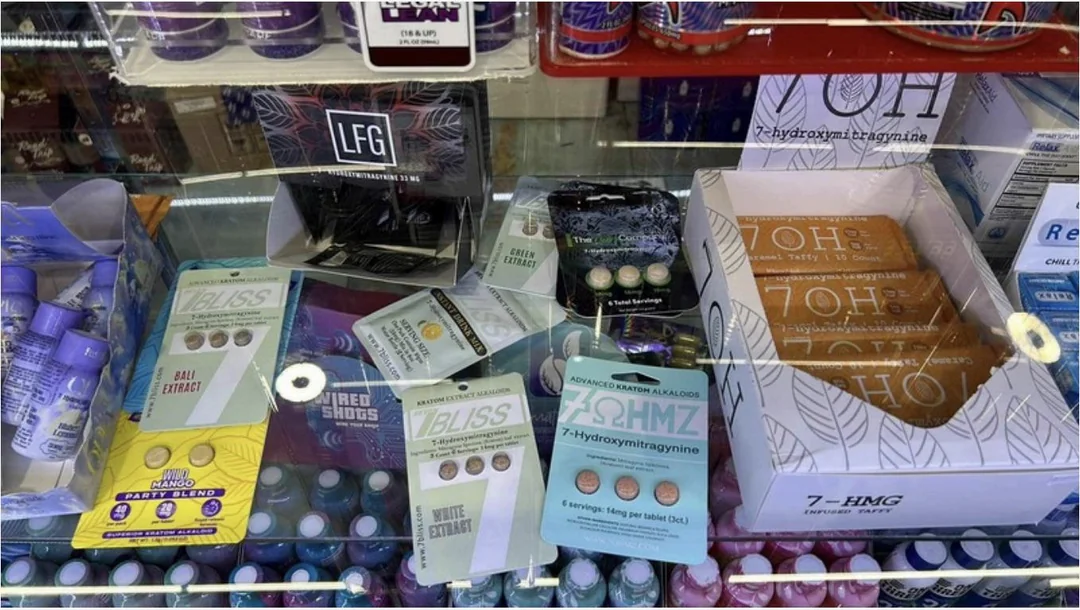
If you have been using 7 hydroxymitragynine (7-OH) or kratom regularly and are having difficulty stopping, you are not alone. Concentrated 7-OH can produce significant physical dependence, cravings, and an opioid-like withdrawal syndrome.
Withdrawal symptoms may include anxiety, restlessness, insomnia, sweating, muscle aches, abdominal discomfort, nausea, diarrhea, and strong cravings. The most intense physical symptoms generally occur during the first several days after stopping, although the timing and severity vary depending on the product, amount used, frequency of use, and the individual.
A Medication-Assisted Approach
At Direct2Recovery, we have developed a structured treatment approach for patients who want to stop using kratom or concentrated 7-OH.
For appropriate patients, treatment begins with transitioning from 7-OH or kratom to buprenorphine/naloxone (Suboxone).
The timing of the first buprenorphine dose is important. Starting buprenorphine too early after another opioid can cause precipitated withdrawal. We therefore individualize the induction process based on what you are taking, how much you are using, when you last used it, and your withdrawal symptoms.
Once the transition is complete and withdrawal and cravings are controlled, we establish an individualized daily dose of buprenorphine. Many patients remain on sublingual buprenorphine for approximately 2-4 weeks while they stabilize.
But Will I Become Dependent on Buprenorphine?
This is one of the most common concerns we hear.
Buprenorphine is itself an opioid and can produce physical dependence. However, it is also an established medication used to treat opioid use disorder and can provide a much more stable and medically supervised pathway away from uncontrolled opioid use.
For patients whose goal is ultimately to discontinue buprenorphine as well, we can develop the treatment plan with that goal in mind from the beginning.
Transitioning to Long-Acting Buprenorphine
Step 1: Transition safely from 7-OH or kratom to sublingual buprenorphine.
Step 2: Stabilize on an individualized dose of buprenorphine, typically for approximately 2-4 weeks.
Step 3: For appropriate patients, transition to monthly extended-release buprenorphine. A treatment course may include Sublocade 300 mg monthly, followed by transition to 100 mg monthly, with the exact number and dosage of injections individualized for each patient.
Step 4: When clinically appropriate, discontinue the injections and allow the remaining buprenorphine to gradually leave the body over an extended period.
The Goal Is to Leave Both 7-OH and Buprenorphine Behind
Because extended-release buprenorphine remains in the body for a prolonged period, some patients find this approach provides a much more gradual transition than attempting to taper increasingly small doses of sublingual buprenorphine.
For patients who come to us specifically because they want to quit 7-OH and ultimately be free of buprenorphine as well, we can develop a treatment plan around that goal.
You do not have to go through 7-OH withdrawal on your own.
Direct2Recovery offers same-day appointments, in-office treatment, and telemedicine throughout Arizona.
If you are ready to stop using kratom or 7-OH, contact Direct2Recovery today. We can help you develop a treatment plan designed around your individual needs and long-term goals.
Direct2Recovery Medication-Assisted Treatment Specialists.
Serving patients throughout Arizona via telemedicine and in-person care.
602-601-7429
Direct2Recovery.com
Schedule your consultation today and let’s discuss the best plan for your recovery.