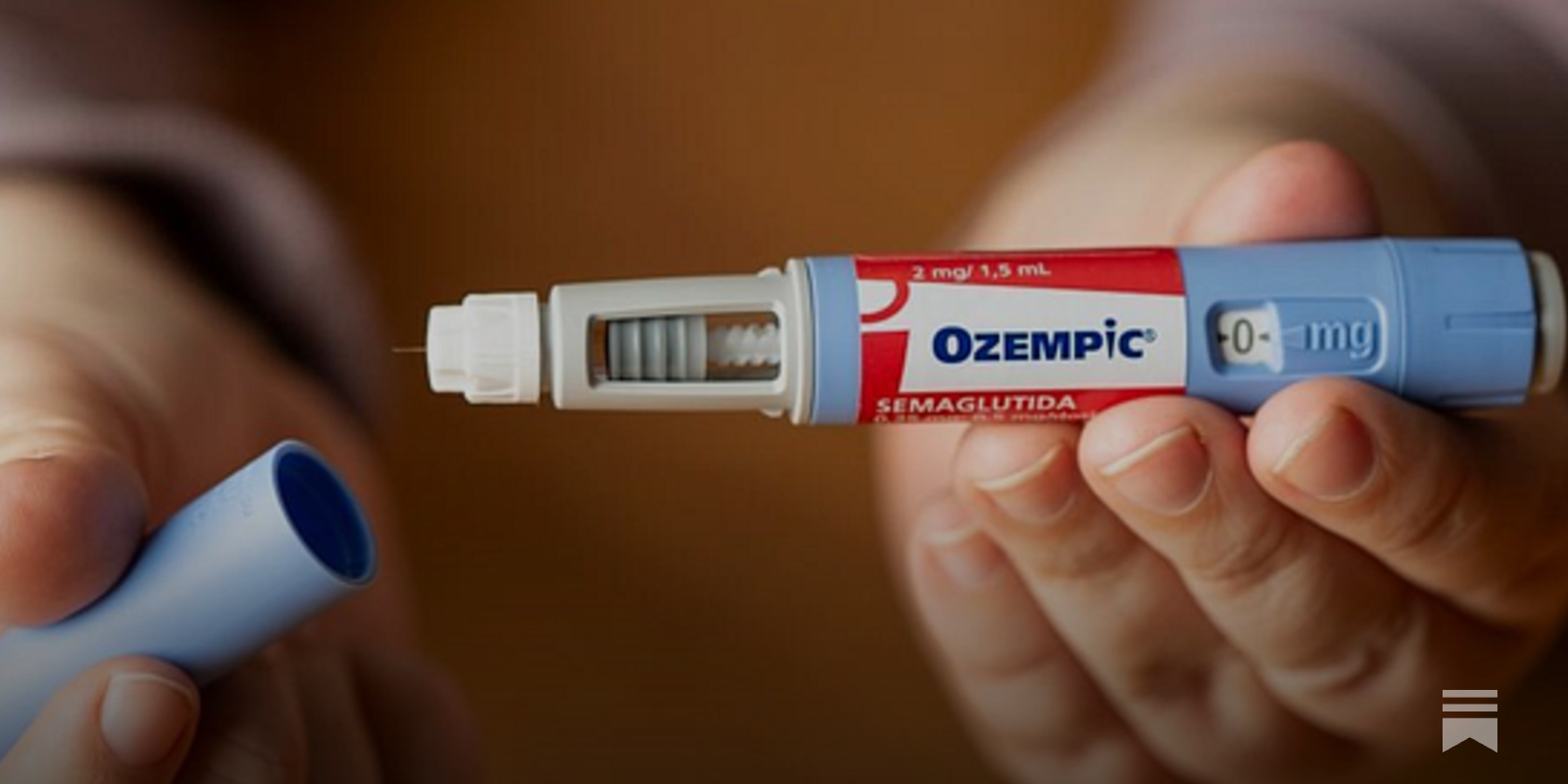
Medications such as Ozempic, Wegovy, Mounjaro and Zepbound have become well known for treating diabetes and obesity. But researchers are now studying another potentially important effect of these medications: they may reduce cravings for alcohol and other addictive substances.
As an addiction medicine physician, I find this emerging area of research particularly interesting.
From “Food Noise” to Cravings
Many patients taking GLP-1 medications describe a decrease in what has become known as “food noise”— the persistent thoughts, urges and preoccupation with eating that can make weight loss difficult.
Researchers have begun asking whether something similar might occur with addiction.
Addiction involves much more than simply making a decision to use a substance. Alcohol, opioids, stimulants and other substances affect reward and motivation pathways in the brain. Craving can persist even when someone desperately wants to stop.
GLP-1 medications appear to influence some of these same brain pathways involved in reward and reinforcement. Researchers are investigating whether that effect might decrease the intensity of cravings for substances as well.
What Are Researchers Finding?
The most encouraging human evidence so far involves alcohol use disorder.
Recent clinical research suggests that semaglutide may decrease alcohol craving and heavy drinking in some patients. Other observational studies have raised the possibility that GLP-1 medications could have beneficial effects involving nicotine, opioids, stimulants and other substances.
Researchers are also beginning to study medications such as tirzepatide in people with stimulant use disorders.
The idea is fascinating: rather than targeting one particular substance, GLP-1 medications might influence some of the underlying reward and craving mechanisms that different addictions have in common.
Are GLP-1 Medications Now Treatments for Addiction?
GLP-1 medications are not currently FDA-approved specifically for the treatment of alcohol, opioid, methamphetamine or other substance use disorders.
The research is still developing, and these medications should not replace established addiction treatments.
For opioid use disorder in particular, medications such as buprenorphine remain proven, potentially lifesaving treatments. Similarly, established medications and behavioral treatments remain available for alcohol and nicotine use disorders.
GLP-1 medications may eventually become another tool that can be used alongside established addiction treatment, rather than replacing it.
Why This Could Be Important
One of the challenges of addiction medicine is that many patients struggle with more than one condition.
A patient may have obesity or diabetes along with alcohol use disorder. Another may be receiving treatment for opioid use disorder while struggling with weight, alcohol, nicotine or stimulant use.
For appropriately selected patients who already have a medical indication for a GLP-1 medication, the possibility that treatment could also decrease substance cravings is particularly interesting.
It also reinforces something we see every day in addiction medicine: addiction is a medical condition involving the brain, not simply a failure of willpower.
A Promising Area We Are Watching Closely
It is too early to call GLP-1 medications a breakthrough treatment for addiction. But the research is encouraging enough that addiction specialists are paying attention.
At Direct2Recovery, we believe patients should have access to evidence-based addiction treatment while also benefiting from new developments as the science evolves.
GLP-1 medications may eventually become another valuable tool in addiction recovery. For now, they represent one of the more interesting new areas of addiction research—and one we will continue to follow closely.
Direct2Recovery Medication-Assisted Treatment Specialists.
Serving patients throughout Arizona via telemedicine and in-person care.
602-601-7429
Direct2Recovery.com
Schedule your consultation today and let’s discuss the best plan for your recovery.